
For any new business owner, starting a new brand and company means learning all the “industry talk” for your new venture. Retail businesses, in particular, will need to familiarise themselves with the wholesale market, profit margins, market trends, and a wholesale business model. But what is wholesale? And how will wholesale products help your business? We break down everything you need to know below.
What Is Wholesale?
The Collins dictionary defines wholesale as “the activity of buying and selling goods in large quantities and therefore at cheaper prices, usually to shopkeepers who then sell them to the public”. Merchant wholesalers buy goods directly from the vendor, be it a farmer or manufacturer. Because the vendors sell directly to wholesale marketplaces, they can offer a lower price. At this stage, the vendor makes their own profits.
From here, most wholesalers sell to retail businesses, and the wholesale partner will add their retail markup and sell the product to retail stores. The wholesale provider sets the profit margin, and their wholesale cost is available B2B, meaning that other businesses are eligible for that discounted price, but they don’t sell directly to the end user.
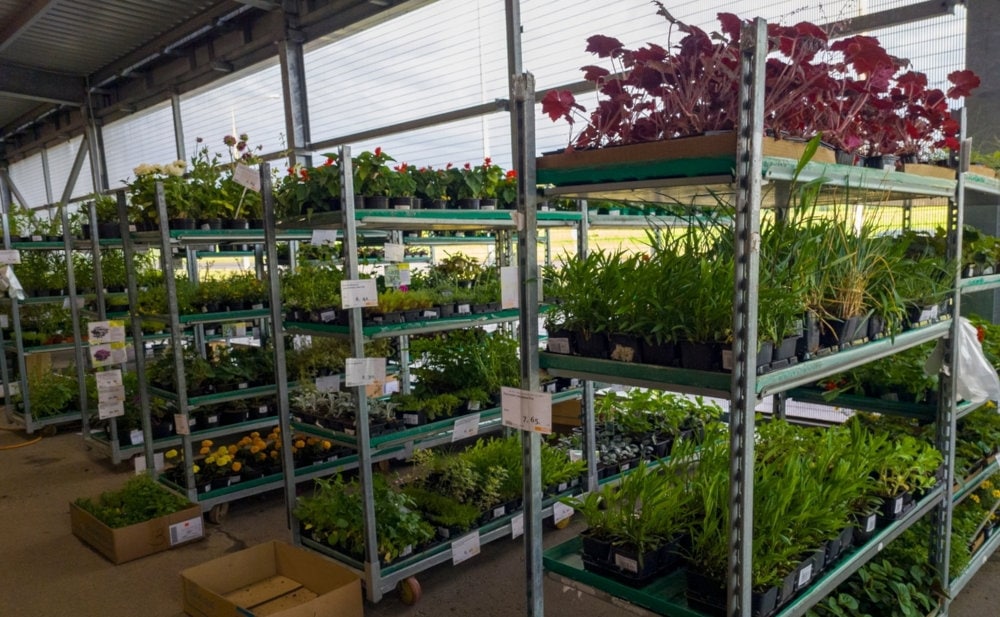
For example, a plant grower will sell products to a wholesale distributor. They make a profit and generally sell to only a handful of wholesale marketplaces. The wholesale partner then adds their wholesale pricing and sells those same products to garden centres, plant nurseries, and other retail stores. It’s at this point that you would be eligible for those wholesale prices. Once you have bought the plants from your wholesale supply websites or warehouses, you set the retail price and sell directly to the consumer.
Can Anyone Buy Wholesale?
Wholesales won’t sell to just anyone; otherwise, customers would just buy directly from them! Wholesale suppliers are there to provide a service to retail businesses. Wholesalers sell their goods in large quantities, which is how they’re able to run a profitable business model.
Wholesale businesses set a minimum order quantity (MOQ), allowing retailers to save money through bulk buying. There may be criteria other than just the ability to buy bulk quantities to make a wholesale purchase. Some merchant wholesalers may have exclusivity contracts in place, meaning that there’s a limit on the number of the same wholesale goods they’ll allow retailers to sell in one location.
What Makes a Good Wholesale Partner?
When you’re looking to buy wholesale, consider what you’re looking for in that business relationship. As a small business, you may need to find wholesale companies that offer smaller product quantities if you don’t have the cash flow or warehouse space for large amounts of stock.
If you are championing local independent businesses, you may want to extend that to using local wholesalers to make it fit your brand ethos. You may be able to order large quantities, but perhaps you can negotiate better prices because of your ability to place large orders. It’s worth shopping around to see which wholesale business will offer you the best wholesale prices.
As well as getting the best wholesale prices, the most convenient business model for retail stores would be ordering all your wholesale products from the same wholesale business. While there are retail shops that use many wholesalers to source their products, with each additional business relationship comes more administrative processes for you as a business owner. Buying wholesale all in one place streamlines your processes so you can spend more valuable time in other areas of the business. Using one or two merchant wholesalers is manageable. If they don’t currently stock wholesale items that you’re interested in, most wholesalers will be open to conversations about trying to source the product for you in the interest of maintaining great business relationships. If you don’t ask, you don’t get!
Consider also the turnaround time on orders. It’s worth enquiring with wholesale suppliers about their supply chain and whether this will affect how quickly they can fulfil orders. As a retail business, you also have a responsibility to research the best practice and compliance of merchant wholesalers. As part of the Modern Slavery Act 2015, businesses with a turnover of £36m and above are required to publish a Transparency in Supply Chains provision.
How to Price Your Wholesale Goods
Setting the unit price you’ll charge customers is entirely up to you, and you need to make a profit based on the wholesale price you paid at the buying stage. Your retail price will be considerably higher than your wholesale price, and several factors should be considered.
The initial cash outlay for buying large quantities of products to achieve a good wholesale price can influence spending in other areas of your business. If you need to pay for additional storage solutions for the bulk items, consider whether this makes it financially viable. You also don’t want to deal with deadstock that you potentially need to sell off at discounted prices if it doesn’t sell. This is why many small businesses seek to find wholesalers with a low minimum order quantity. When working out the unit price you’ll charge to the end user, remember to factor in other costs involved like shipping so that your profit margins are sustainable.
There are so many contributing factors when you set your retail prices. If you have an eCommerce store, there are costs associated with having that feature on your website. If you are a small business selling exclusively in-person, you still have the costs of running your retail space: staffing, rent, utilities, etc. Your profits need to reflect these costs while remaining competitive. This is why it’s important to conduct market research not just on which wholesale deals are best for you but also on what other garden centres or DIY businesses are charging for competing products.
Alternatives to Wholesale
There are alternatives to wholesale that retailers may want to explore. Some independent business owners work with suppliers on a sale or return basis. This is common among small businesses that want much smaller product quantities and is typically seen in gift shops and gallery-type spaces. The arrangement works on the basis that the manufacturer retains ownership of the product and is paid when the stock is sold, charging the wholesale price to the seller. The benefit of this arrangement is that there is no initial cash outlay; however, the stock never belongs to the retailer. If the maker sells these items, for example, through their own online store, they can remove the items from your store. It affords retailers less control. It’s also an arrangement only suitable for small quantities, so large distributors like DIY suppliers would not operate in this way.
Drop shipping is also increasingly popular as a way to scale down the supply chain for brands selling through an online store. In this business model, the retailer sells the product online, and a third party fulfils the order. The customer will purchase goods from a retail sales website, but the retailer never sees that product. They pay wholesale pricing for the item from the manufacturer, and the customer pays the higher price set by the drop shipper. Drop shipping only works for a pre-order or online store because a third party holds the stock, so it wouldn’t be suitable for a bricks-and-mortar garden centre or DIY shop.
Find out more about how Chartrent can fulfil your wholesale needs, contact our friendly team today. Call 01603 426167 or email sales@chartrent.co.uk for more information.